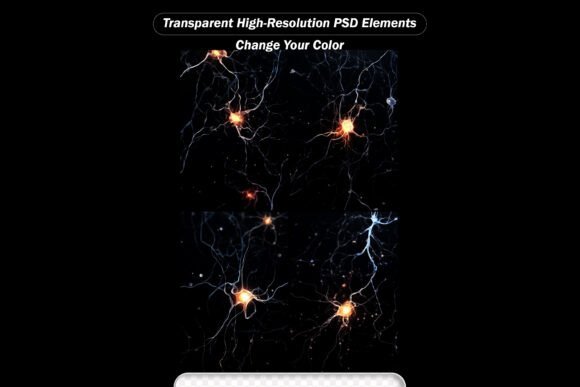
Neurons Cell Anatomy Brain Synapse
The intricate world of neurons, cell anatomy, and brain synapses forms the foundation of human cognition, memory, and behavior. Understanding these biological structures is essential for anyone involved in neuroscience, education, or creative fields that rely on cognitive processes. Whether you're a student studying the nervous system or a designer aiming to create visually compelling content, grasping how neurons communicate through synapses can open new doors to innovation.
How Neurons and Synapses Influence Creativity
At its core, the brain synapse is the junction where neurons transmit signals. This process, known as synaptic transmission, is vital for everything from basic reflexes to complex thought patterns. For creators, this means that understanding how the brain processes information can lead to more effective design strategies. When designing digital artwork or branding materials, knowing how the brain interprets visual stimuli can help you craft more engaging and impactful visuals.
Neurons cell anatomy also plays a role in how we perceive and respond to light, which is why effects like lens flares, glowing rays, and soft bokeh are so powerful in visual media. These elements mimic natural lighting conditions that our brains are wired to recognize, making them ideal for enhancing the realism and emotional impact of your work.
Practical Benefits of Mastering Neurons and Synapses
By exploring the science behind neurons cell anatomy, you gain insight into how the brain processes and stores information. This knowledge can be applied to various areas, including:
- Education: Teachers can use this understanding to develop more effective learning tools and materials.
- Marketing: Marketers can create campaigns that resonate with the brain's natural tendencies toward pattern recognition and emotional response.
- Design: Designers can create visuals that align with how the brain processes information, leading to more engaging and memorable content.
- Healthcare: Professionals in healthcare can better understand neurological disorders and develop targeted treatments.
For instance, when creating digital art, incorporating elements that stimulate the brain's reward pathways—such as vibrant colors and dynamic lighting—can make your work more captivating and emotionally resonant.
Light Effects That Mirror Neural Processes
When it comes to enhancing your creative projects, the right light effects can make all the difference. From lens flares that mimic the way light interacts with the eye to fire bursts that evoke a sense of energy and movement, each effect is designed to engage the viewer on a deeper level.
These effects are not just aesthetic—they serve a functional purpose by simulating the way the brain perceives and responds to light. By using high-quality transparency and professional-grade design, these effects can be seamlessly integrated into your projects without compromising the integrity of your original work.
What’s Included in the Light Effects Collection
This dynamic collection of light effects offers a wide range of options tailored to meet the needs of designers, photographers, and artists. Here's what you'll find:
- Photoshop PSD File: Fully editable and customizable layers allow for endless creative possibilities.
- High-Resolution JPEG File: Ready-to-use effects that maintain their quality even when scaled up.
- Dimensions 3000×2000 pixels: Crisp, detailed, and professional quality ensures your visuals look stunning at any size.
Whether you're working on a brand identity project, a photo editing task, or a digital artwork, these effects provide the tools needed to elevate your work to the next level.
Who Can Benefit Most from These Effects
While these light effects are versatile, they are particularly beneficial for professionals in specific fields:
- Photographers: Enhance your photos with realistic lighting effects that add depth and drama.
- Graphic Designers: Create visually striking compositions that capture attention and convey emotion.
- Digital Artists: Bring your creative visions to life with a wide array of lighting options.
- Branding Experts: Craft a cohesive visual identity that stands out and leaves a lasting impression.
For example, a photographer might use glowing rays to highlight key elements in a portrait, while a graphic designer could incorporate twinkling stars to create a magical atmosphere in a digital poster.
Considerations and Limitations
While these effects offer incredible value, it's important to consider their limitations. They are best used as enhancements rather than replacements for original content. Overuse can lead to a cluttered or unrealistic appearance. Always ensure that the effects complement your work rather than overshadow it.
Additionally, the choice of effect should align with the overall message and tone of your project. A cinematic glow may be perfect for a dramatic scene, but a fiery intensity might not suit a serene landscape. It's crucial to select effects that enhance the intended mood and narrative.
Conclusion
Understanding neurons cell anatomy and the role of brain synapses can greatly influence your creative process. By leveraging this knowledge, you can create more engaging and meaningful visual content. The dynamic collection of light effects described here provides the tools needed to bring your designs to life, offering a blend of artistic expression and scientific insight.